
Get to know our founder
Photos.Ia.Photiades, was a charismatic personality and leader, described by many as the ‘Patriarch of Cyprus Business’ and ‘Α true Gentleman and Patriot’.
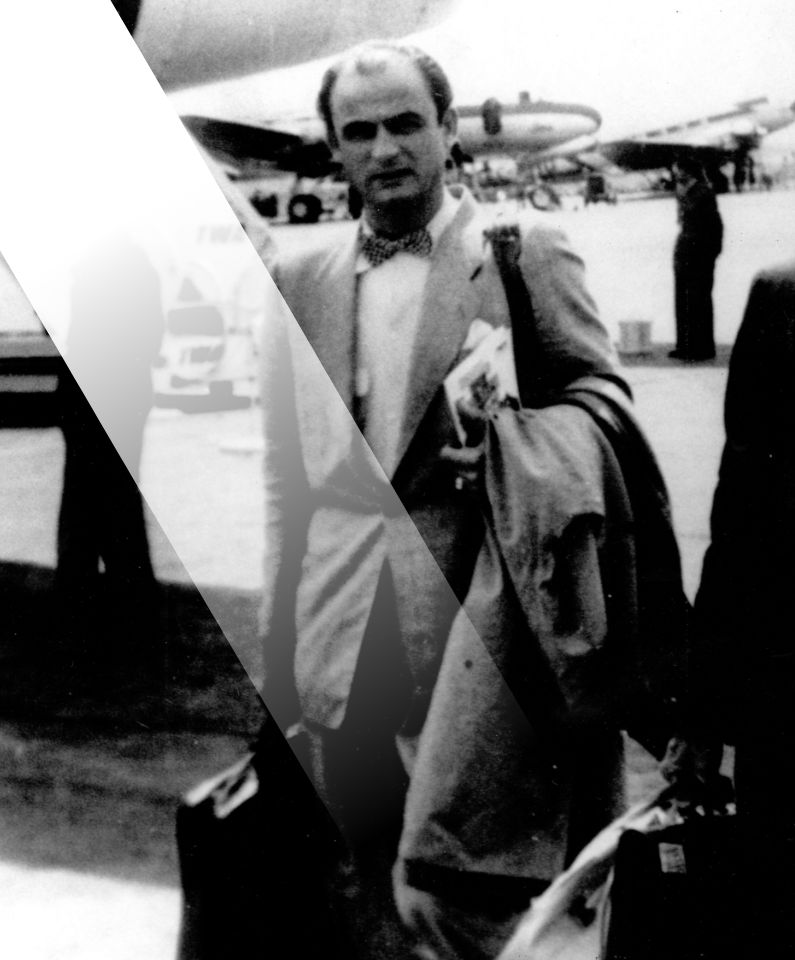
The early days
A charismatic personality and leader, Photos.Ia.Photiades, was described by many as the ‘patriarch of Cyprus business’ and ‘a true gentleman and patriot’.
Born in Angastina in the Famagusta district on October 25, 1920, Photiades grew up in a family of ten and was lucky enough to have wonderfully loving and caring parents, Hadjicoumis Photios Photiades and Mariettou Hadjicoumis. Whenever the opportunity arose, he always mentioned them fondly and proudly.
Photiades graduated from the Pancyprian Gymnasium in 1939, and this same year, he duly accepted a teacher’s post at Famagusta English High School (1939-1941), where he taught Ancient and Modern Greek, History, and Physical Education. In 1940, he also took up an English teacher’s post at the Lefkonikon Gymnasium.
Although his experience as a teacher was valuable, it did not align with Photiades’ goals. In the summer of 1941, he secured the position of Assistant Base Engineer Officer at the British Admiralty. He also took on the role of the Admiral’s Assistant, earning a respectable monthly salary of 18 pounds at that time.
Building dreams
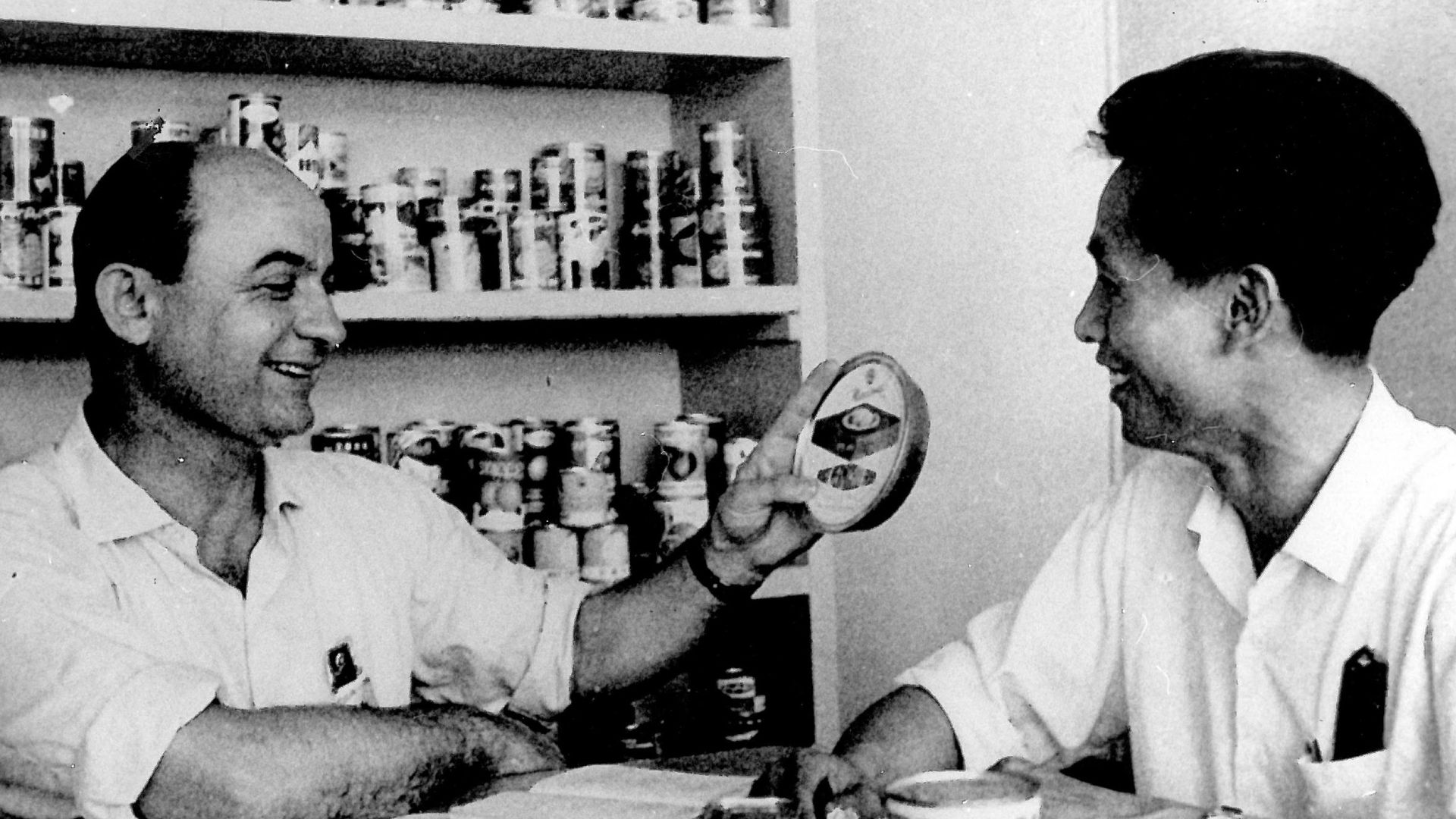
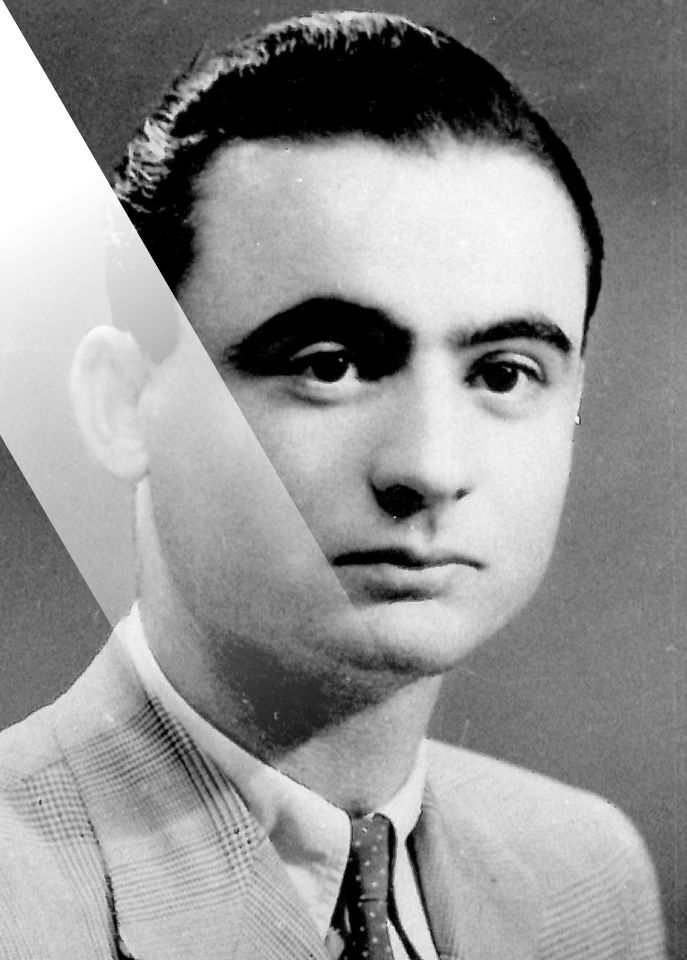
In 1942, amidst World War II and the widespread poverty and deprivation in Cyprus, Photiades started his businesses from the ground up.
The young entrepreneur had boundless energy as he built his business and came up with solutions during tough war circumstances. Keen to address shortages in raw materials, he established several artisanal enterprises that offered high-quality products, which were well received by consumers.
A valuable friendship for Photiades’ future professional growth was with the captain of the Fouad, the only ship that transported overseas mail to Cyprus every week during the war. They met in 1939, and four years later, Photiades leveraged that friendship to ask the captain if he could transport his goods from Alexandria, Port Said, Haifa, and Beirut.
This new endeavour marked the start of various imports – alongside Photiades’ artisanal enterprises – and soon led to a surge in trade, and competitive advantage against the much larger trading houses of the time, resulting in corresponding profits.
This income formed the basis for the future, rapid evolution of his business and this import trade was also encouraged by the customs office, bringing in significant duties that it had forgone for years.
Beyond borders
After the war ended, Photiades leveraged his knowledge of regional products to establish extensive trading connections with the Middle East, virtually becoming the first Cypriot to engage in business with countries in that region.
He often acknowledged that he had the time to focus on this sector because his two brothers, Takis and Kikos, consistently supported him by managing the business operations in Cyprus.
In 1947, the spirited entrepreneur opened the first trade office in Alexandria, followed by Beirut the following year, and Athens in 1949. Photiades exported agricultural and industrial products, such as carobs, raisins, wine, and nuts, to the Middle East and Africa.
More than a decade later, following Cyprus’ independence, the company further expanded its trading activity to the Eastern Bloc, as well as China, where Photiades secured exclusive representation for all its products in Greece and Cyprus, based on a barter deal.
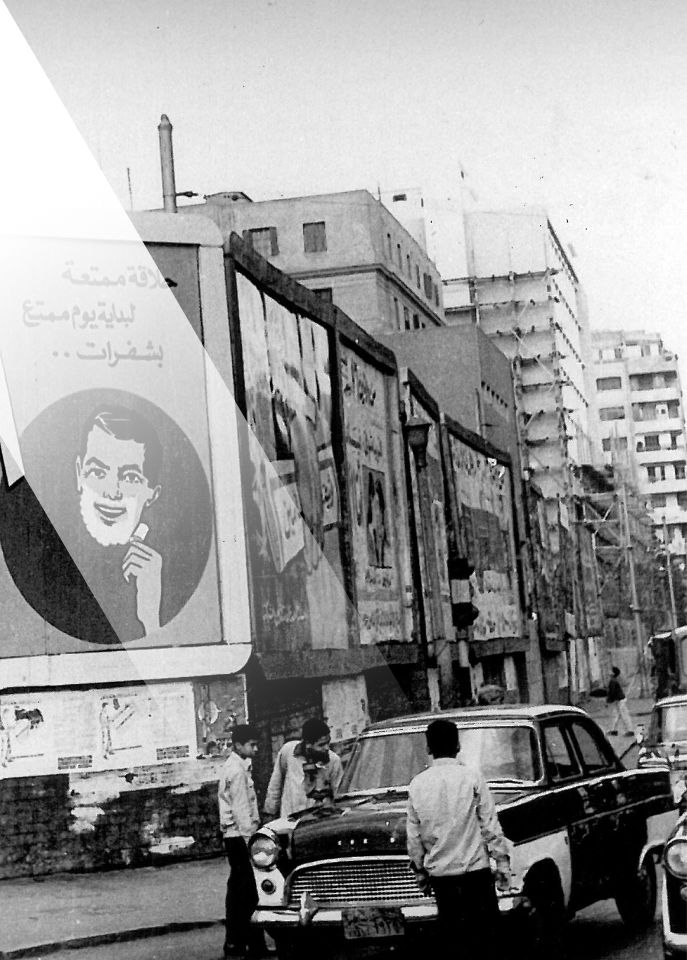
During these pivotal years of establishment and expansion, another outstanding development was witnessed, as Photiades secured exclusive global representation of the ASTOR Greek shaving blades, owned by his close friend Adam Politis.
A visionary at heart
Photiades’ foresight paved the way for further growth, firm in his belief that the British would grant Cyprus its independence.
In 1960, he began investigating the country’s industrial needs, narrowing down two main options and preparing the required studies.
He was the first and only businessman to submit applications (on August 2nd, 1960) for building a Cyprus cement factory and a brewery. Authorities rejected his brewery license application, so he proceeded with the purchase of the Platanis brewery, an existing establishment, making it easier to acquire the license.

A new era
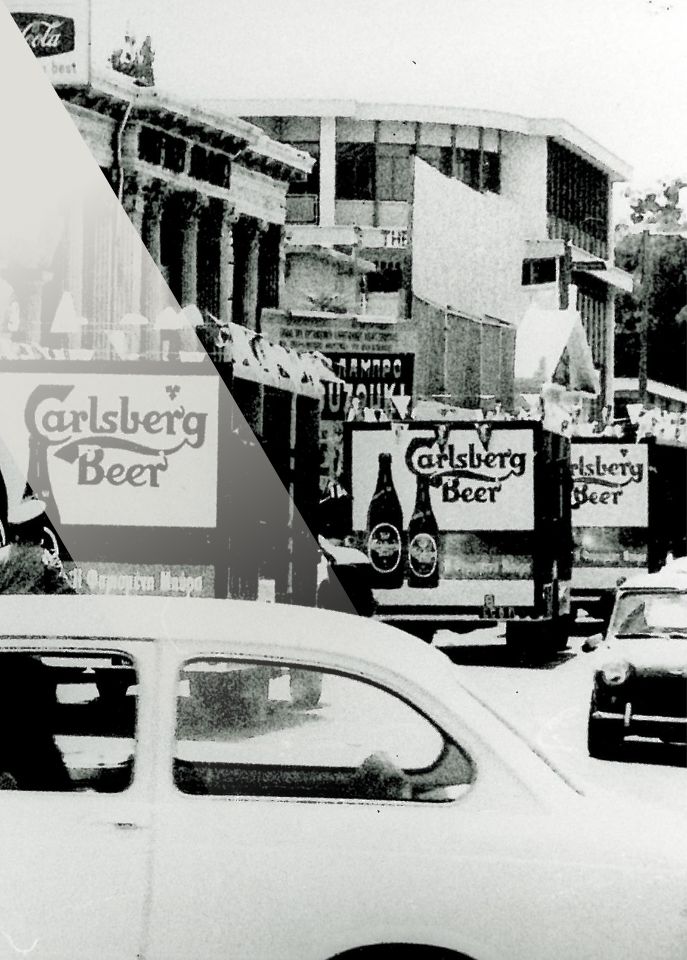
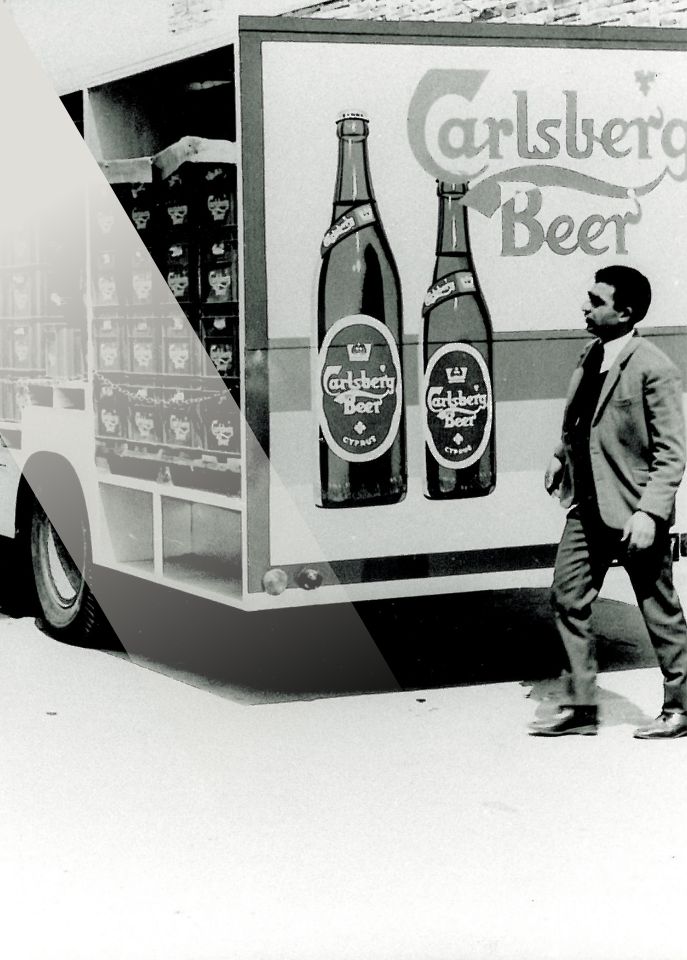
Securing the Carlsberg brand was a challenging task. After five years of difficult negotiations with Carlsberg Denmark, Photiades obtained the first license to produce the beer outside of Scandinavia, marking a great achievement.
His convincing words, which duly concluded his final study, still resonate today: “You have the chance to turn Carlsberg into the Coca-Cola of beers on a global scale. Otherwise, one of your competitors will do it, and the train will be out of the station by then.”
This settled the agreement and marked the beginning of a new era in the history of beer and beer-making in Cyprus and beyond. Carlsberg beer has since become a truly international beverage, distributed around the world.
To express gratitude for Photos.Ja.Photiades’ significant contribution to strengthening the friendship between Denmark and Cyprus, the Danish government honoured him not once, but twice.
In 2013, he received an honorary distinction from the Lady Ambassador of Denmark in Cyprus, Kirsten Geelan, at a special ceremony. A similar event took place in 2017, when he was honoured by Ambassador Michel Braad and Carlsberg Denmark CEO Cees” ‘t Hart, at a Group anniversary gathering.